

Tips to Keep Sketching
Some things I have learnt along the way that have helped keep my sketch practice going

After a few false starts I started sketching on a regular basis about four years ago. Up until then I had enjoyed drawing with a purpose in mind, for example, making someone a birthday card or designing my own Christmas cards and doing creative projects with the kids. But I didn’t just draw for the joy of drawing.
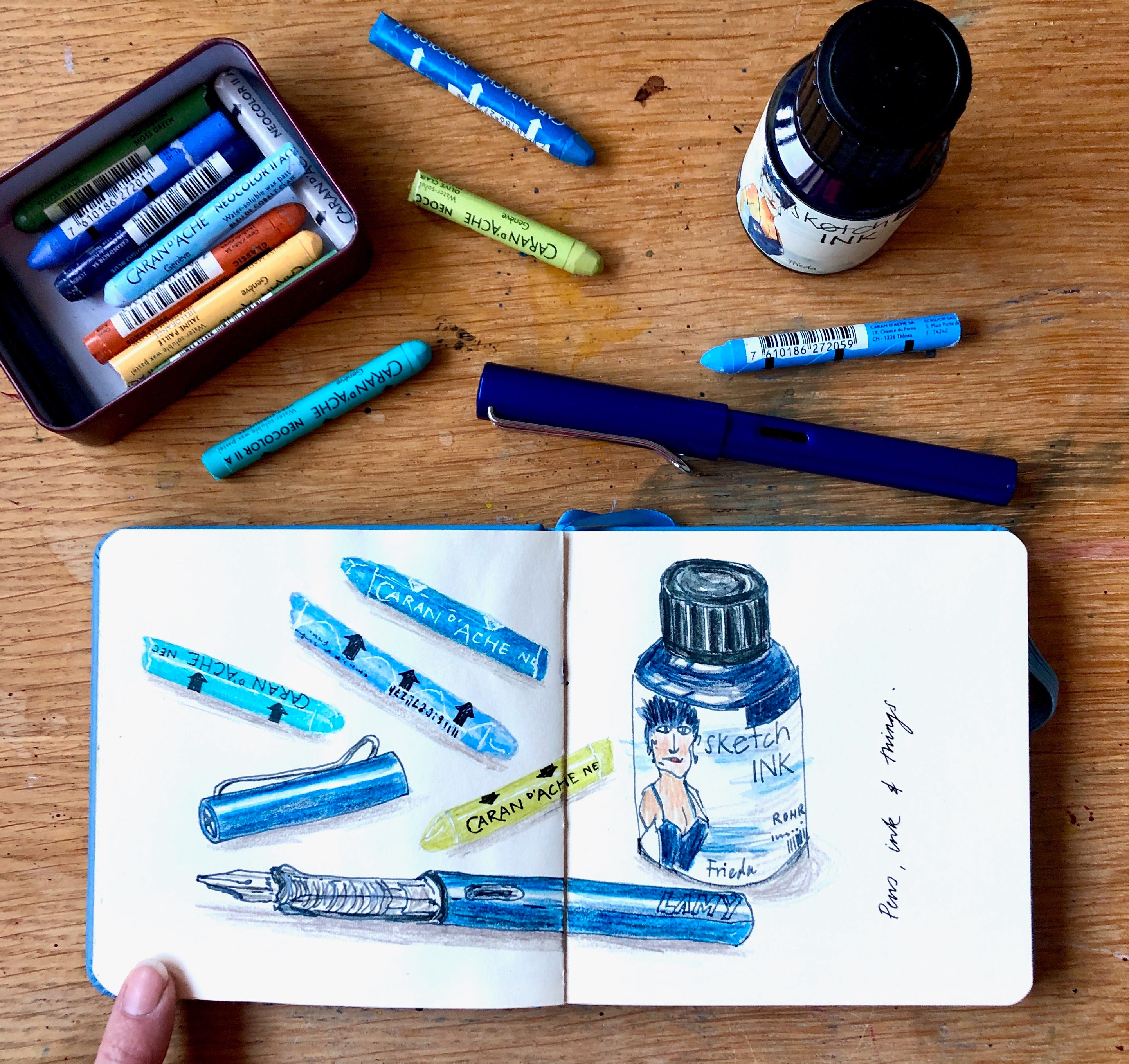
Artists started appearing on my Instagram feed using sketchbooks to record their lives, places they went and things they saw. It seems strange now, but I don’t think it had occurred to me that I could use a sketchbook in this way (I had associated them with a place for preparatory sketches before going on to do a final piece of artwork).
Since then I have been slowly filling up various sketchbooks, and it has become a very important part of my life and routine. Over this time I have learnt what has worked well for me to keep a sketch practice going…
1. Start with limited supplies and get to know them
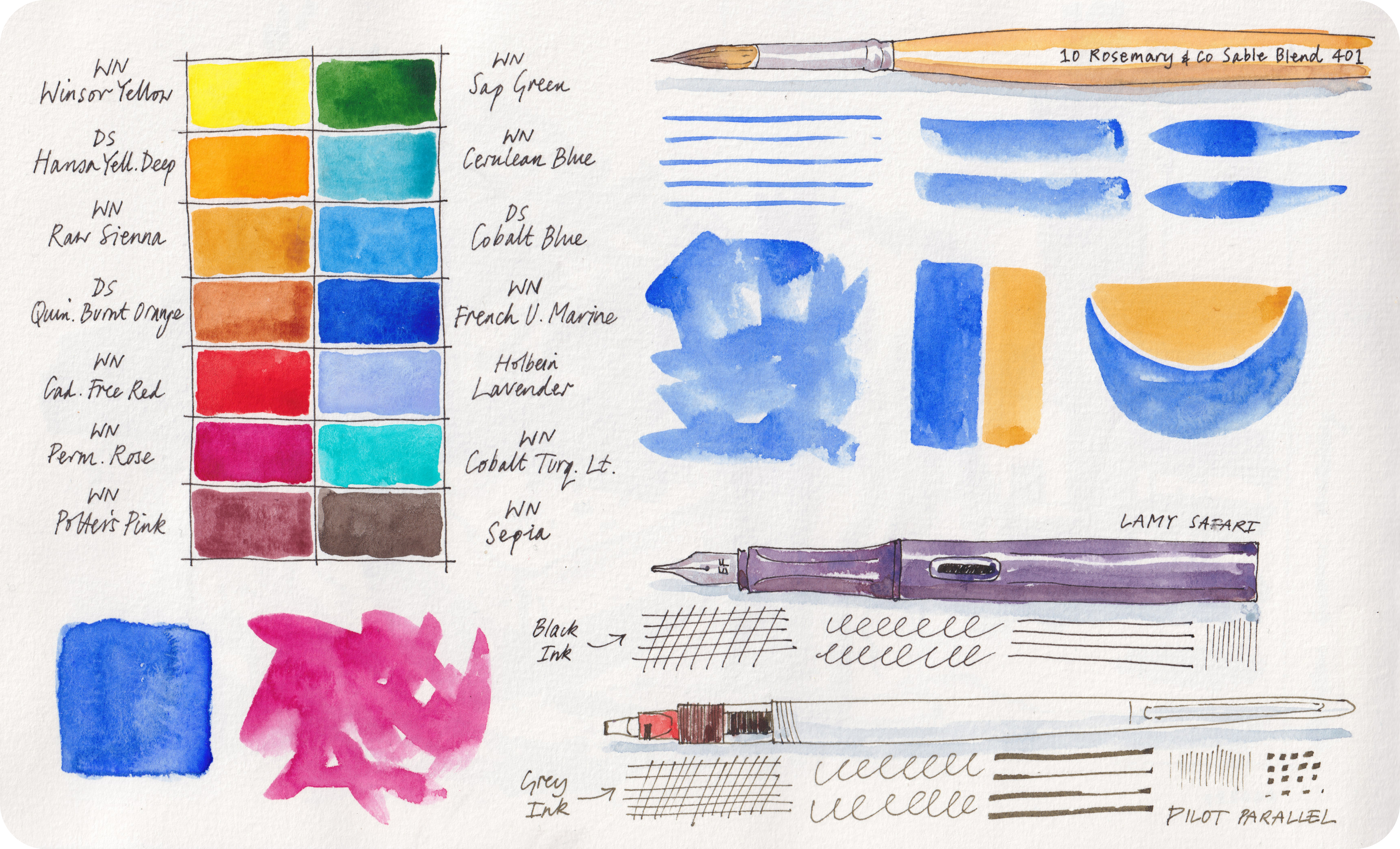
You don’t need much to start sketching; something to draw on and something to draw with. But then the art stores have so much to choose from! It is very tempting to buy more supplies before you have really got comfortable with what you have. I have plenty of markers, paints, ink and other supplies that I have hardly used, often bought on a whim because I saw someone I admired using them. Try to really get to know what you have already, and then when you want to experiment with something new, buy a few colours, in shades you already like or use (a triad is always a good starting point) and get to know those really well too.
2. Sketch what interests you
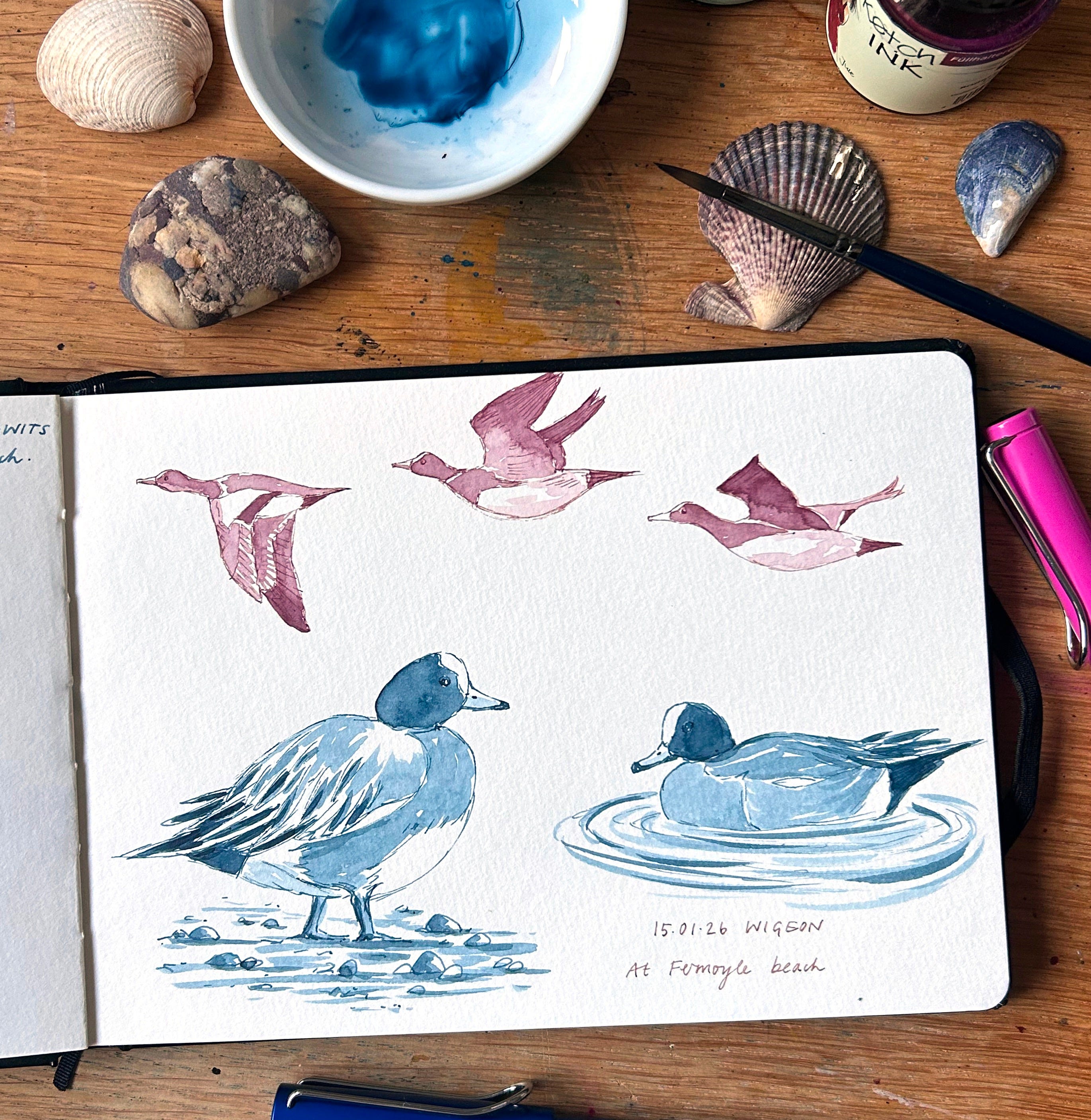
This might sound obvious, but if you like something it will make it more fun to draw and you are more likely to want to sit down and sketch it. I also prefer to sketch something meaningful to me. The nature around me and little moments of my everyday life are things I like to look back in my sketchbooks, so these are my go-to subjects. I love drawing on location and from life rather than a photo, but this isn’t always practical. So if you see something you like, take a photo (and make a folder for ‘art ideas/inspiration’) so you can sketch it later.
3. Start small
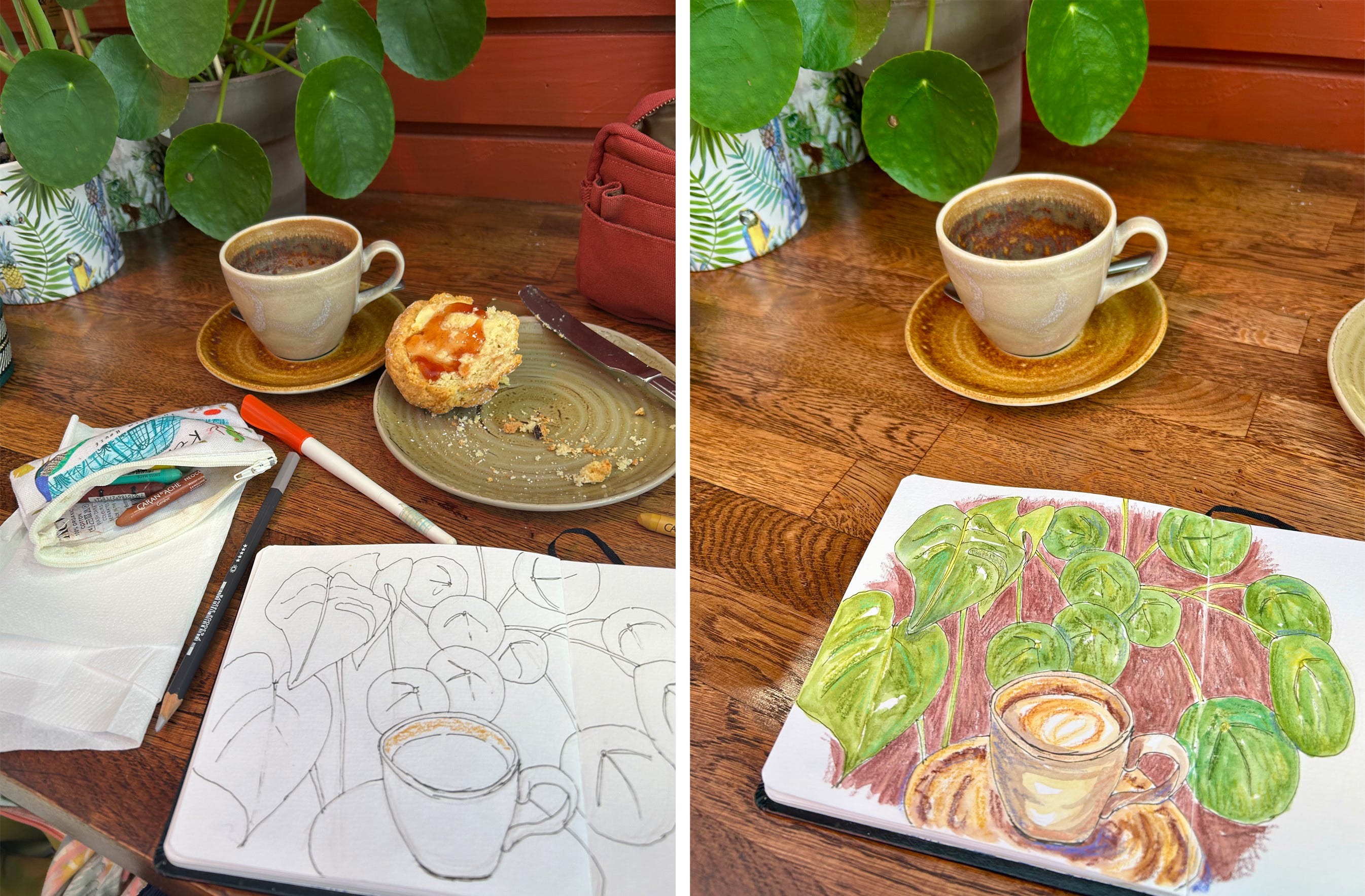
A big sketchbook page can be daunting, and takes more time to fill, so start small to begin with. My favourite ‘everyday’ sketchbook is 14x14cm (around 5 & half inch) square1, which I find a perfect size for taking out with me. A smaller page also helps to eliminate beginner stress of things like consistent watercolour washes for example. Also pick a smaller subject matter. A big wide vista is hard to capture and probably will have lots of details, making it difficult to know where to start. Focus on the flowers in the foreground, or zoom in one detail like an interesting doorway, or maybe just draw your coffee cup and snack.
4. Have a dedicated space for your materials
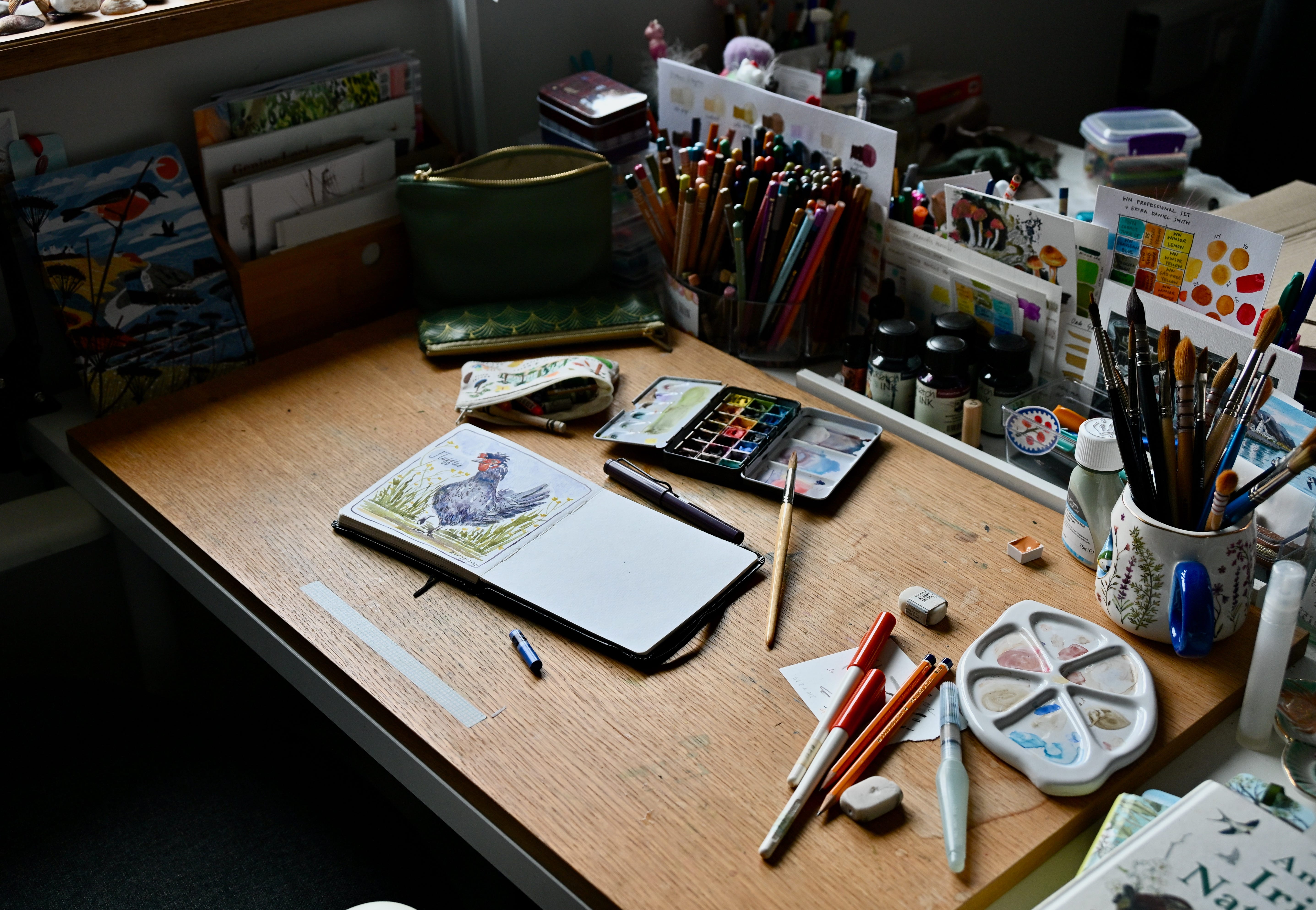
If possible have your own little area for your materials and where you can sit down and sketch. This made a huge difference for me, as I have everything to hand if I had some time to draw. I don’t always sketch here though, and often I sit with my daughter and we paint together at the kitchen table. We have a small trolley of art supplies in the corner of the room, ready when we need them. It might be you keep everything together in box or basket, so things are easy to grab when you want to sketch.
6. Find a community
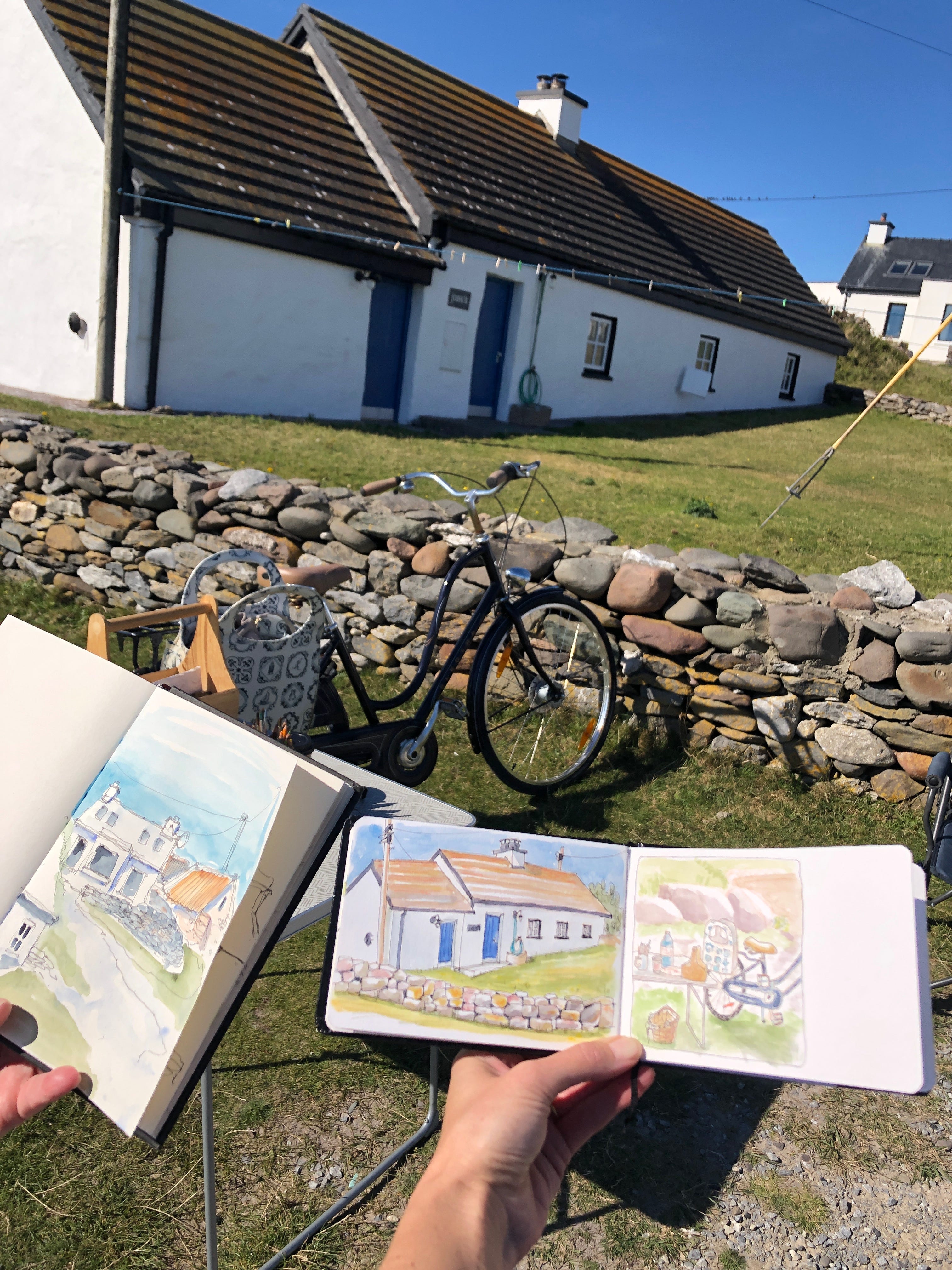
This is so important, I think it really is what has kept me going. Your art community might be here on Substack, or on Instagram (where I started), or you might be lucky enough to have an art group or an Urban Sketchers chapter near you.
Over the years I have found lots of really supportive people out there, who help answer questions, cheer you on and see things in your art that you perhaps don’t. Everyone is at the different stage in their sketching journey, and I have learnt so much from people I have connected with. Which leads on to…
7. Take courses and watch other artists at work
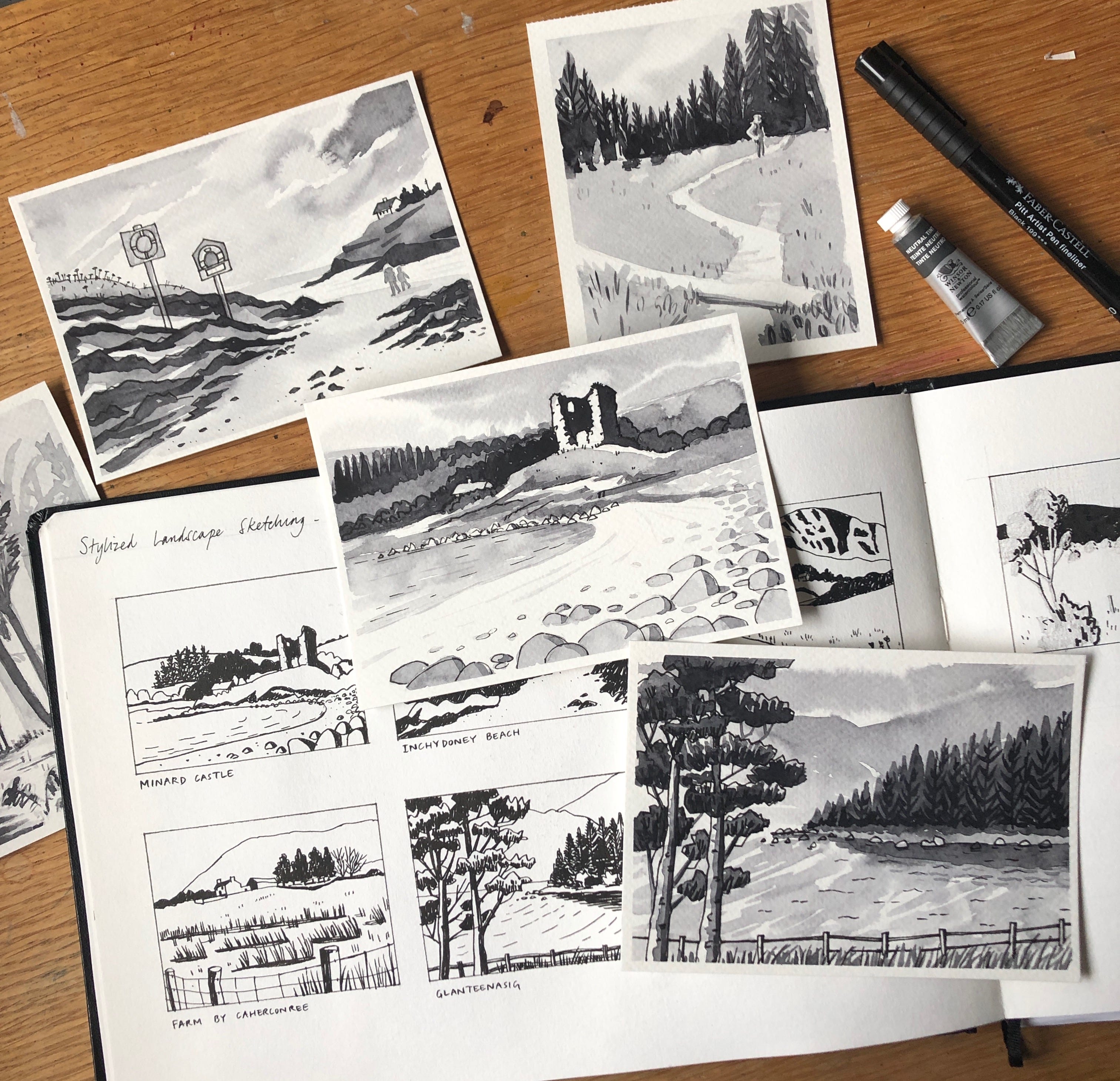
Most of the courses I have done have been online, and there are a huge number out there (below I have linked to the artists I have taken courses or tutorials with). Beside from the fact that you learn different techniques and tips from other artists, I have found the fact that I have to dedicate regular time to them really helpful. Tell the family; “Tuesday 8pm, I’m doing my art course” and close the door! Some courses actually run live, with a weekly time slot, or others have lifetime access so you can complete them at your own pace, but often with the input from the teacher. There are also so many tutorials and process videos on YouTube that are really helpful, and free.
8. Draw as often as you can
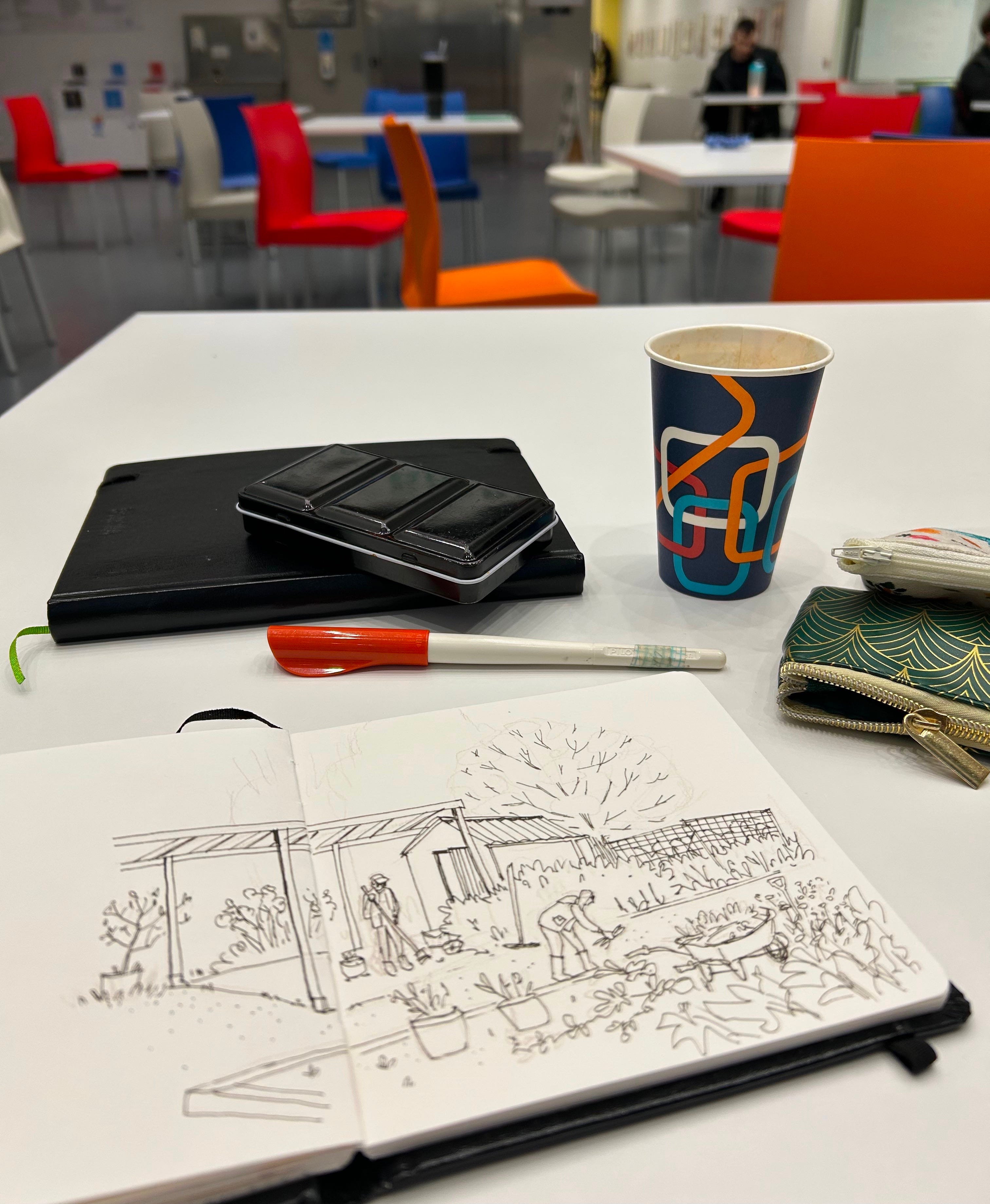
Finding time to draw is often a big barrier to keeping a sketch practice going. Seeing professional artists who can draw everyday can make it seem like if you have work, children, other commitments, how can you possibly fit sketching in as well. I don’t draw everyday, but I do draw as often as I can. I try to utilise little pockets of time, for example while I wait for my daughter at her dance class, or setting out somewhere a bit earlier so can sketch before hand. I have been known to get up an hour early (but not often!), or just reprioritise tasks; do sketching first then do the vacuuming, or go outside for half an hour and leave your phone inside to avoid distractions.
9. Don’t compare yourself to others
Each of us is learning every time we pick up a pencil or paint brush, and will continue to do so for as long as we sketch.
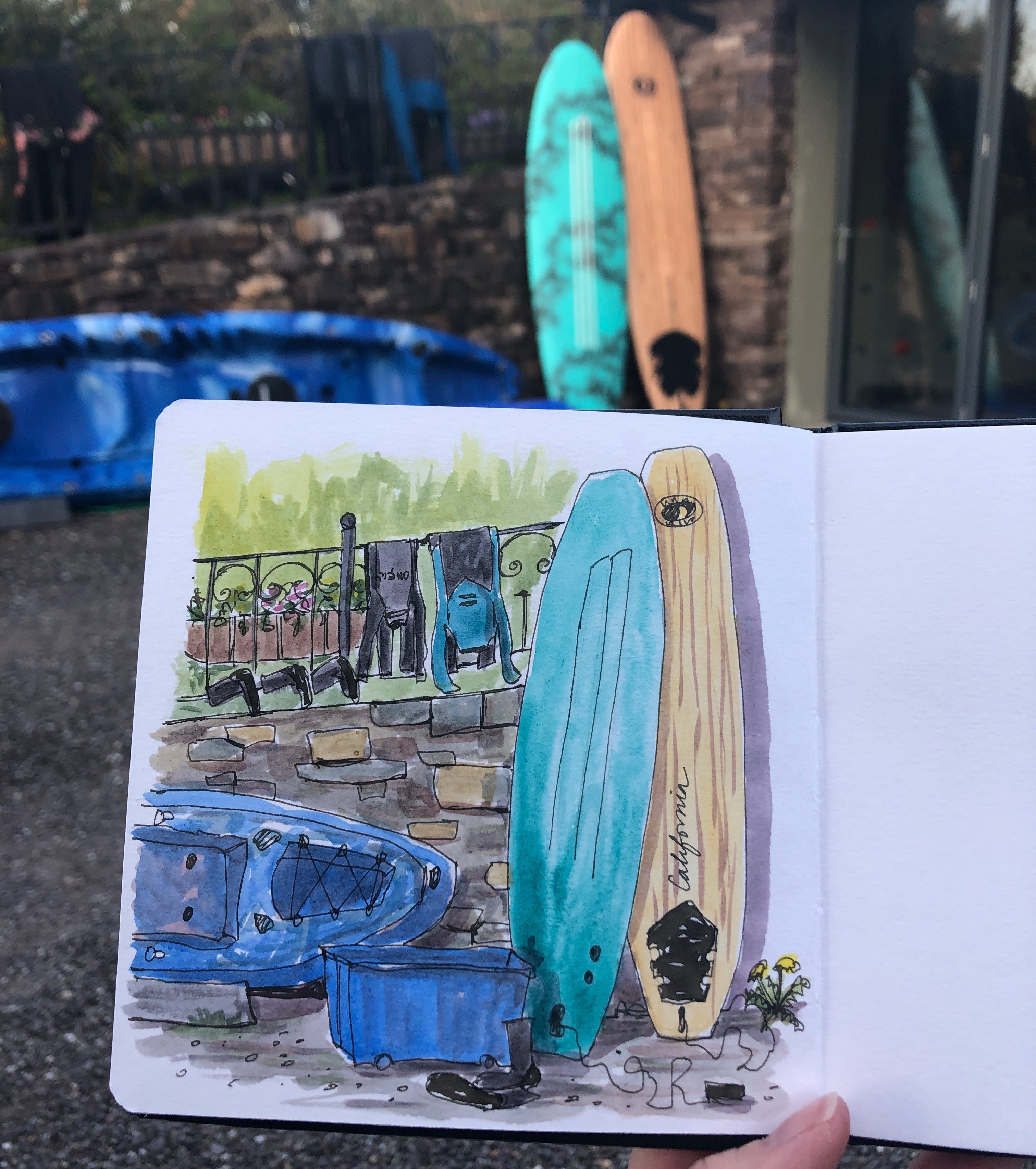
Lastly, don’t be too hard on yourself and don’t compare your art to others. Everyone is at a different stage and everyone has a different style (which develops with time). We also don’t know how many hours they put into their craft; maybe they draw 5 hours everyday? Perhaps they have been drawing for 30 years to get where they have. Lots of people say this, but art is a journey, with no real destination. We should enjoy that journey, taking it at a gentle pace so we can appreciate the little things on the way.
I hope you found this useful? All of this has been based on my own sketching journey, I’d love to hear if you have any tips for helping keeping your sketch practice going…
Here is a list of artists that I have taken courses or tutorials with:
Liz Steel - has a number of courses from beginner level and up, with a huge amount of content. Liz has great knowledge, particularly from her background as an architect, but with a very easy way of explaining things. Liz also runs a Patreon.
Shari Blaukopf - in depth watercolour tutorials from her years of experience, in a loose, lively style. Great focus on colour mixing, and watercolour technique.
Eleanor Doughty - periodically runs courses focusing on stylised sketching. Also does a monthly demo on Vivify and has a urban sketching course on Domestika.
Ohn Mar Win - loose watercolour and mixed media. Ohn Mar has lots of great process videos on her YouTube channel, and also has a Patreon.
Melanie Chadwick - a mixed media artist inspired by the nature and landscapes of Cornwall. Mel has a lovely course on sketching wildflowers, and offers lots of process sessions here on Substack.
Lucia Leyfield - Lucia offers a whole range of courses in various mixed media and paper craft, all with a whimsical style, base on the countryside and nature.
From the Seawhite of Brighton Watercolour journal range.
Great post. Limited supplies is an excellent tip, I have so many art supplies and honestly, it can get overwhelming and then that overwhelming turns to inaction. As a side note, I love your use of blues in your picture. So vibrant.
Great post! Thank you for sharing this, it's inspired me to keep drawing.
Do you use a waterproof ink for Lamy safari?